Recovering Flower From Trim: What One Producer Actually Found
One producer ran their trim back through a Twister and pulled out more than 5 kg of sellable flower per batch. Not everything in your trim bin is trim, and the gap is worth measuring.
Can you really recover sellable flower from trim?
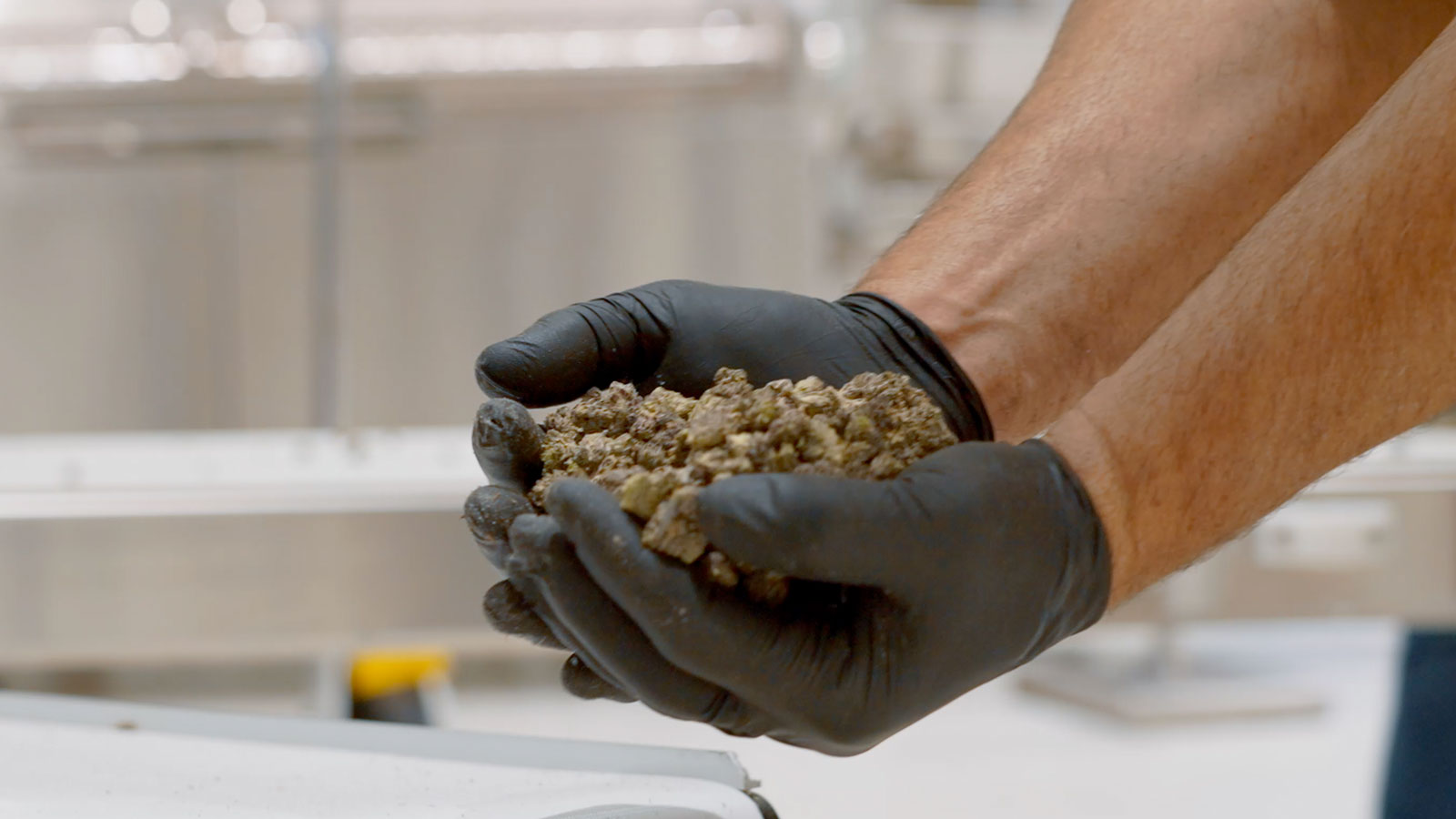
Recovering flower from trim is often possible, because trim is simply whatever the trimming pass did not separate cleanly as flower. One multi-site licensed producer ran their existing trim stream back through a Twister trimmer and recovered more than 5 kg of sellable flower per 240 kg batch: about 2.1% of the batch, reclaimed from material already written off as biomass.
The cheapest revenue in your facility is the flower you already grew. Most post-harvest conversations focus on speed and labor, and those matter. But there is a quieter loss happening upstream that rarely shows up on a P&L: usable flower ending up in the trim stream, sold for a fraction of its value or not sold at all.
It is easy to miss, because it does not look like a problem. The trim bin fills up, it gets sold as biomass, and everyone moves on. The flower that should have been graded as flower is already gone, priced as the cheapest output your facility produces.
What one producer found
A multi-site licensed producer decided to test this directly. They took the trim coming off their previous trimming process and ran it back through a Twister T-Zero PRO as a second pass.
On average, they recovered more than 5 kg of flower from a 240 kg batch of material that had already been classified as trim. That is roughly 2.1% of the batch, clawed back from biomass pricing into flower pricing. The economics are where it gets pointed. By their own figures, that flower sells at $0.44 per gram. As trim, the same material was worth about $0.05 per gram.
One 240 kg batch, at the producer's numbers
- 5 kg recovered flower × $0.44/g = $2,200 as flower
- 5 kg × $0.05/g = $250 as trim
- Net recovered: $2,200 – $250 = ~$1,950 per batch
That is close to $2,000 of recovered revenue per batch, from a stream the facility was already generating and already paying to process.
These figures are reported by the producer based on their own batch results and sell prices. They are not a performance guarantee. Your recovery rate depends on your strains, your current process, and your grading standards.
Why flower ends up in the trim
Trim is a catch-all category. In practice, trim is whatever the trimming pass did not separate cleanly into flower, and the way a machine handles the bud decides how much sellable flower lands there. We have put numbers to that question in our own lab testing of machine trimming versus hand trim.
One design factor matters more than most: how close the tumbling elements run to the cutting blades. Some trimmers move material across wire tumblers positioned close to the cutting deck. In Twister's own testing, using slow-motion footage and direct measurement of static flower held in the tumbler wires, we have observed sellable flower being retained in that wire. Flower that hangs up in the wires next to the blades gets worked, broken down, and shed downward into the trim stream instead of staying graded as flower.
It is a question worth asking about your own equipment: how close are the tumbling elements to the blades, and where does the flower they retain end up? The closer that contact, the more sellable flower has a direct path into the lowest-value output your facility produces.
Reprocessing the trim stream is essentially a recovery pass: a second look at material you have already written down to biomass pricing. When that pass pulls flower back out, it is not creating new product. It is reclaiming product you already grew and already lost margin on.
What this means at your scale
The per-batch number is interesting. The pattern is what matters. There are two questions every operator can answer this week:
- What does your facility currently sell trim for, per gram?
- What does your flower sell for, per gram?
The spread between those two numbers is the value of every gram of flower sitting in your trim bin. For the producer above, that spread was about $0.39 per gram. At a few kilograms per batch, across a production schedule, that is not a rounding error. It is a revenue line you are not capturing.
| Per 240 kg batch | As trim | As flower |
|---|---|---|
| Price per gram | $0.05 | $0.44 |
| Value of 5 kg recovered | $250 | $2,200 |
| Value recovered per batch | $0 | +$1,950 |
You do not need a Twister to ask the question. You need a scale and one honest reprocessing test on a batch you have already trimmed.
Want to know how much sellable flower your trim bin is hiding? We will help you measure it on your own material, at your prices.
Talk to a Twister expertRecovering flower from trim: FAQ
Can you really recover sellable flower from trim?
Often, yes. Trim is whatever the trimming pass did not separate as flower, so it frequently contains usable flower that was priced as biomass. Reprocessing the trim stream can reclaim it. One multi-site producer reported recovering more than 5 kg of flower from a 240 kg batch, about 2.1% of the batch. We have also recovered meaningful flower from hand-trimmed material.
Why would a trimmer leave flower in the trim?
How the machine handles the bud matters. Sellable flower can be retained in wire tumblers running close to the cutting blades, where it gets broken down and shed into the trim stream. The closer the tumbling elements sit to the blades, the more flower has a path into the lowest-value output.
How much is recovered flower worth versus trim?
It depends on your sell prices. In the example above, the producer sold flower at about $0.44 per gram and trim at about $0.05 per gram, a spread of roughly $0.39 per gram of recovered flower.
Is the 5 kg per batch figure guaranteed?
No. It is a single producer's reported average from a 240 kg batch, based on their strains, their prior process, and their grading. Recovery varies by facility. The point is to measure your own.
How do I find out what my facility is losing?
Weigh a trimmed batch's trim output, reprocess a sample, and compare the recovered flower at your flower price against its biomass price. The spread is your answer.
All recovery figures, prices, and percentages in this article are reported by a single anonymized producer based on their own batch results and sell prices. They are not performance guarantees. Actual recovery varies by facility, strain, prior process, and grading standards.